Coaching Architects to Explain Design Intent in Plain Language

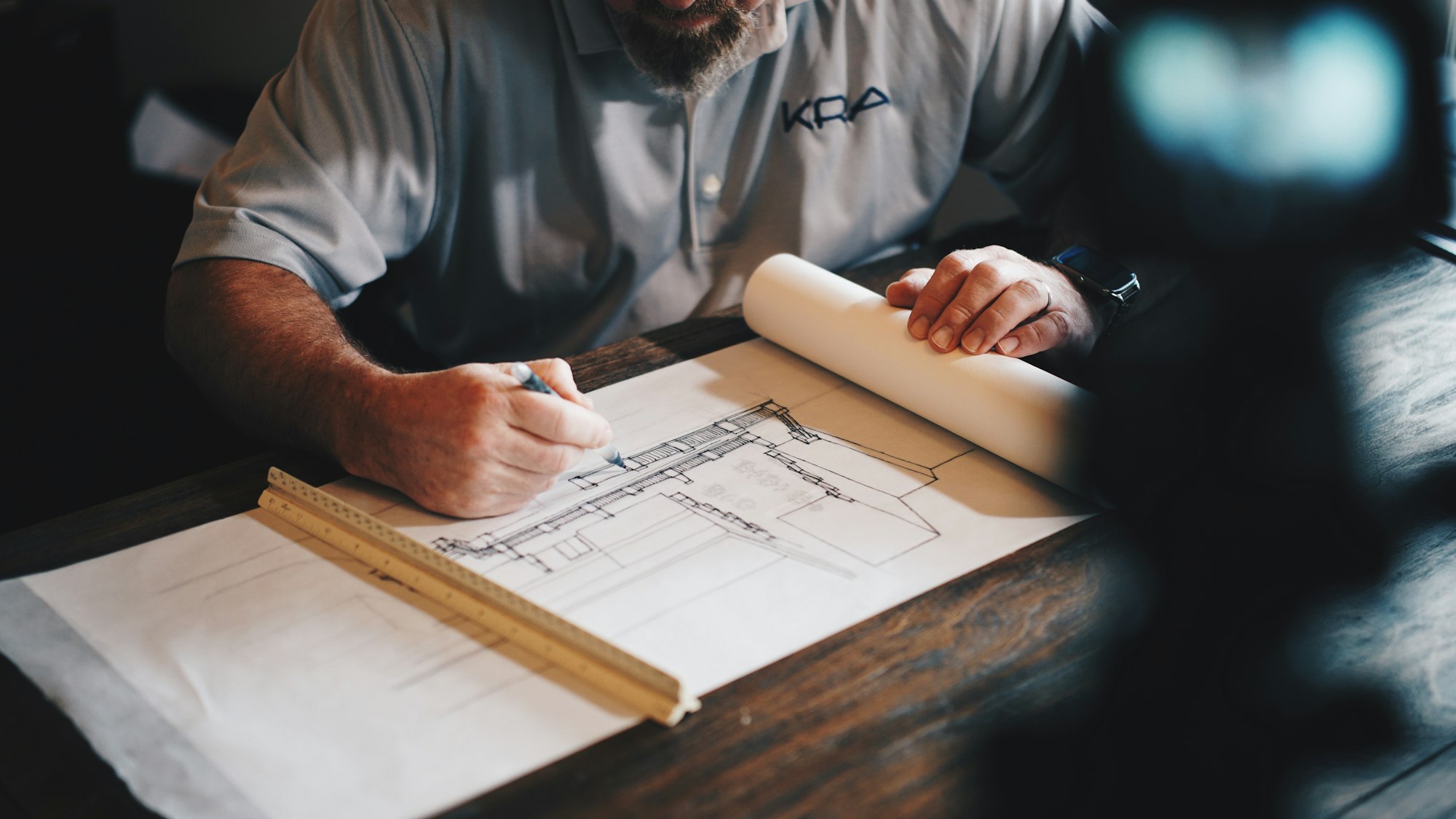
Architects describe buildings in a vocabulary built over years of study: parti, datum, threshold, rhythm. The words are precise and useful among peers. In front of a school board, a hospital executive, or a city council, they can also create distance. Presentation coaching for architects often begins with a simple task: explain why the design looks the way it does, using words a person outside the profession would use.
Start With What the Owner Cares About
Design intent lands when it connects to the owner's goals. A courtyard is not only a formal move. It gives students a place to gather between classes and gives staff a clear line of sight. Coaching asks the architect to begin each design decision with the benefit and then describe the form that delivers it. The order alone makes the explanation easier to follow.
Replace Terms With Pictures and Verbs
Many design terms can be replaced by a short sentence and an image. Instead of saying the circulation is organized around a central spine, a presenter can say that everyone enters here, sees the whole building, and reaches any department in under a minute. A coach listens for jargon and helps the architect find the plain version without losing precision.
Practice the Thirty-Second Version
Every design decision should have a version that takes thirty seconds. Coaching sessions have the architect explain the main move, the facade, the layout, and the sustainability strategy in thirty seconds each. The exercise forces choices about what matters most, and the full explanation that follows is clearer because the core is already stated.
Watch for the Slide That Does the Talking
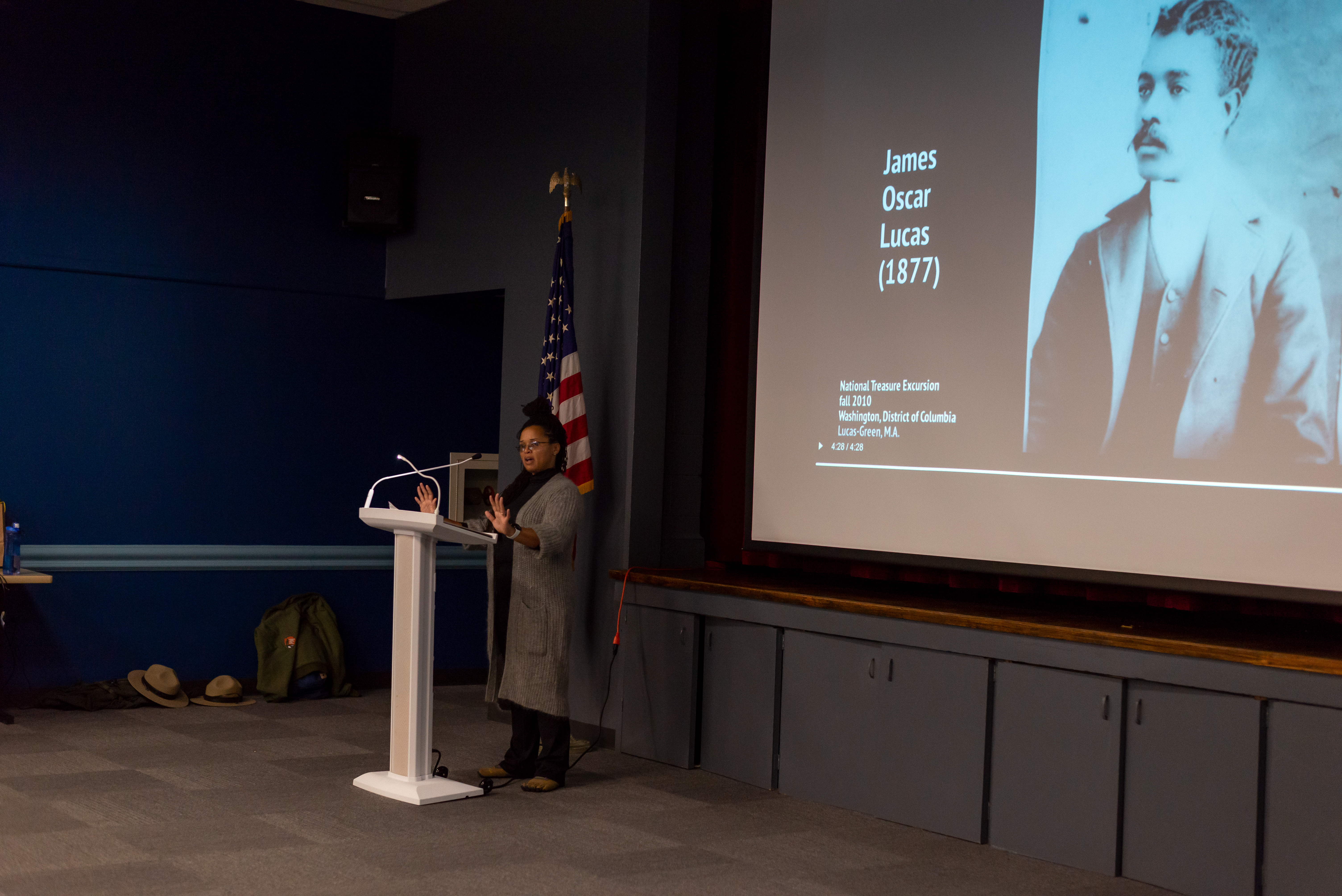
Architecture presentations often use dense images with small captions, and the presenter reads the caption aloud. A coach will point out when the slide is carrying the message and the presenter is just narrating. The fix is to simplify the slide to one image and one phrase, so the speaker is the main source of information.
Rehearse the Questions About Cost and Constraints
Owners often ask whether a feature is worth its price. Architects who have rehearsed the answer can explain the trade, such as a modest increase in glazing cost that reduces lighting load, without defensiveness. Coaching prepares a short answer for each common cost question, so the presenter is confident when the conversation moves off the drawings.
Use Video Review to See What the Panel Sees
Watching a recorded run-through shows posture, pacing, and habits the presenter does not notice. Most architects see themselves turning to the screen more than expected, and many see how often they use filler phrases. A few targeted adjustments after one review session usually make a visible difference.
Coach the Whole Team, Not Only the Lead Designer
Pursuit teams often include a principal, a project architect, a designer, and a technical lead, and each speaks differently. Coaching works best when everyone rehearses together and hears how the pieces fit. A coach can point out where two people explain the same idea in different words, which confuses a panel, and can help the team agree on one set of phrases for the core concepts of the design.
Keep Improving After the Interview
Coaching is a habit, not an event. After each pursuit, the team can review the recording, note which explanations worked and which drew blank looks, and update its plain-language library. Over a year, this builds a bank of clear descriptions for common design moves, which shortens preparation for the next interview and makes junior staff better presenters sooner.
The Bottom Line
Good design does not need to be hard to explain. Coaching helps architects connect each decision to an owner benefit, drop jargon, and practice short answers. Teams that do this find that panels remember the design and the people presenting it.