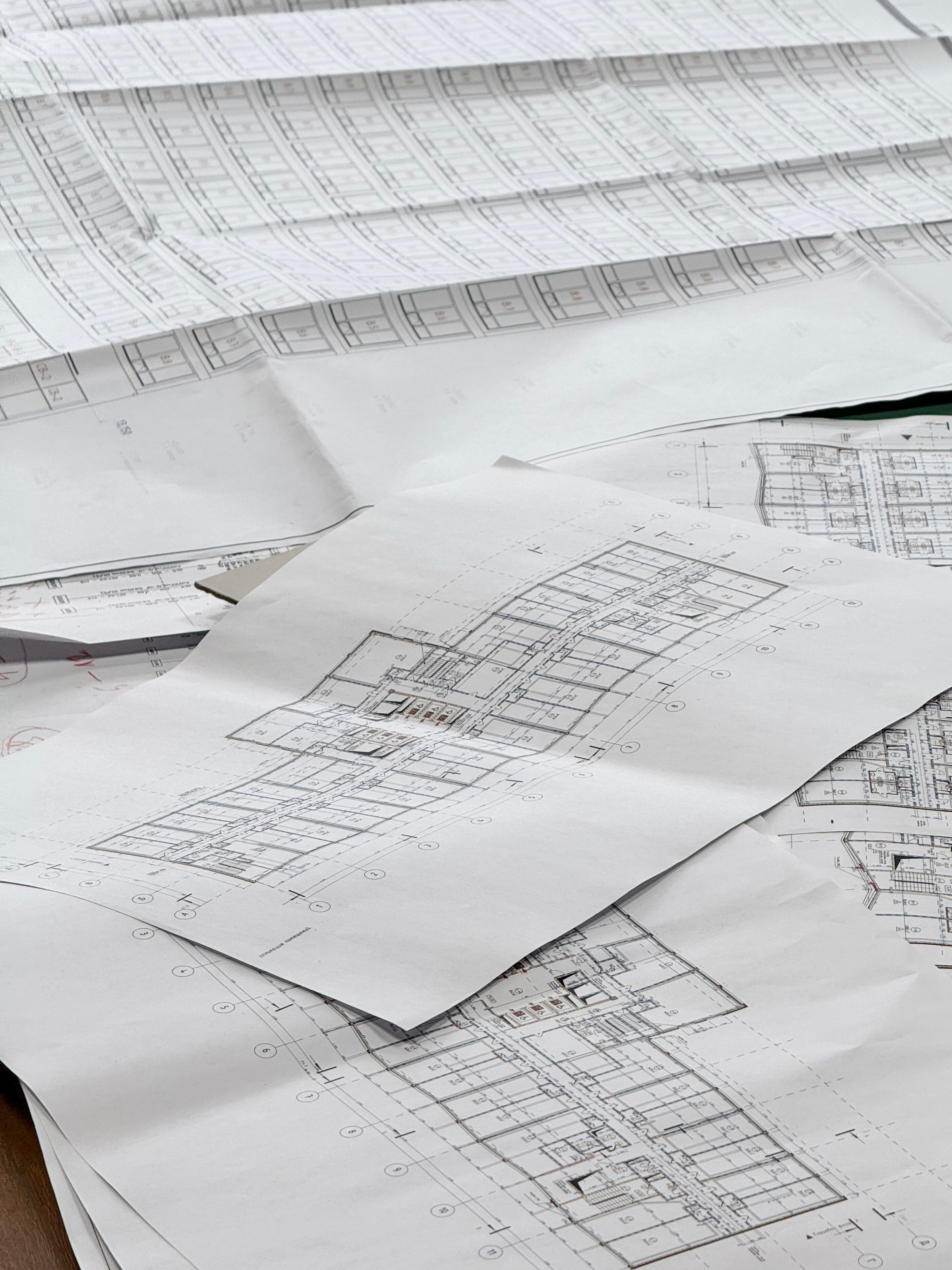
Coaching Architects on Presenting to Public Boards and Community Meetings

Architects who work on civic projects eventually present to an audience that did not hire them: a planning commission, a school board, or a room of residents with strong feelings about a building. These audiences ask different questions from a private client, and they may be skeptical before the first slide appears. Presentation coaching helps architects prepare for these settings, where the stakes include entitlements, funding votes, and public trust. This post looks at what one-on-one coaching can do for an architect facing a public meeting. Architects who have only presented to private clients often underestimate how different the setting is. The rules of a public hearing, the order of speakers, and the way the record is kept all affect how a design is heard.
Know who is in the room
Public meetings combine several kinds of listeners. Commissioners want to know whether the proposal meets code and policy. Neighbors want to know about traffic, noise, and shadows. Advocates care about a single issue. In coaching, we ask the architect to list the likely speakers and their concerns, then decide which topics deserve space in the presentation. A design talk built around form and materials may leave out the very issues that decide the vote.
Lead with the benefit to the community
Opening with the architect's concept can leave an audience waiting for relevance. A stronger opening names what the project provides, such as a new library branch, safer street crossings, or a gymnasium available to the neighborhood, and then explains how the design delivers it. Coaching includes drafting this opening and rehearsing it until it sounds natural, because the first sixty seconds set the tone for everything that follows.
Show the impact in familiar terms
Renderings and site plans are useful, but residents respond to what they can relate to. A view from a neighbor's sidewalk, a shadow study at 4 pm in December, or a comparison of traffic to an existing school drop-off helps. We coach architects to choose a few images that answer the most common worries and to explain them without defensiveness.
Practice the hostile question
Someone will say the building is too tall, or that the process was rushed. Coaching rehearses these moments with real phrasing. The architect learns to acknowledge the concern, answer with facts, and avoid arguing. A short pause before replying often lowers the temperature in the room. We also practice what to do when a question belongs to the city or the owner rather than the designer.
Leave room for the audience
Public presenters often over-talk to prevent criticism, which has the opposite effect. Coaching helps architects trim a presentation to ten minutes and leave time for the comments that will come regardless. Shorter material reads as confidence.
Understand the format before you arrive
Public meetings follow procedures that favor those who know them. Staff reports are often released days before, speakers may have strict time limits, and the applicant may have only one chance to respond. Coaching includes a review of the specific body's rules, a look at past meetings if recordings are available, and a conversation with the planner assigned to the project. The architect learns when to speak, how to use the screen, and what visuals the clerk requires. Knowing these details removes avoidable stress and lets the presenter focus on the content.
The Bottom Line
Presenting to the public is a distinct skill, and architects benefit from preparation that reflects it. One-on-one coaching sharpens the opening, selects the right visuals, rehearses difficult questions, and keeps the presentation short. The result is an architect who is heard more clearly, and a project that has a better chance of getting through the meeting intact.