Presentation Coaching for Architects: One-on-One Work on Delivery and Story

Group training raises a team's baseline. Coaching goes after the individual habits that hold a particular architect back. Perhaps a principal speaks too fast when nervous, a project designer buries the point under process, or a leader avoids eye contact with the people deciding the commission. Presentation coaching for architects works one-on-one, using real projects and real upcoming meetings, to change those specific habits before they cost a pursuit.
Diagnosing the Actual Problem
A first coaching session usually begins with a recorded run-through of a real presentation. Watching it together reveals patterns the speaker cannot see alone, such as filler words, a flat opening, or repeated apologies for the slides. The coach and the architect agree on two or three priorities instead of a long list. Narrow focus produces visible improvement much faster than trying to fix everything at once.
Sharpening the Story Behind the Project
Many architects describe a design by walking through its process in chronological order. Coaching helps reframe the same material as a story built around the client's goal, the key insight that shaped the design, and the result the client will experience. The speaker keeps the substance and changes the order, so the audience reaches the idea that matters sooner and remembers it longer.
Working on Voice and Presence
Pace, volume, and pauses shape how an audience perceives confidence. Coaches work on slowing down, projecting without strain, and using silence deliberately. They also address physical habits such as pacing, hands in pockets, or turning toward the screen. These changes are small, practiced in short drills, and noticeable by the next meeting.
Handling Difficult Rooms
Interviews can include skeptical committee members, distracted reviewers, or unexpected interruptions. Coaching rehearses these situations directly. The architect practices responding to a hostile question, redirecting a long tangent, or continuing smoothly after a technology failure. Having rehearsed the discomfort, the speaker tends to meet it calmly when it happens in earnest.
Coaching Around a Real Deadline
The best results come when coaching is tied to an actual pursuit. A coach can review the deck, shorten it, rehearse the delivery over several sessions, and run a full dress rehearsal in the days before the interview. That timing gives the architect both practice and a meaningful stake, which sharpens attention.
Building Skills That Last
Effective coaching leaves the architect with a method for preparing the next presentation, not just a polished version of this one. Checklists for structure, a personal pre-talk routine, and clear self-review habits let the skills carry forward after the sessions end.
Coaching Presentations With Physical Models and Drawings
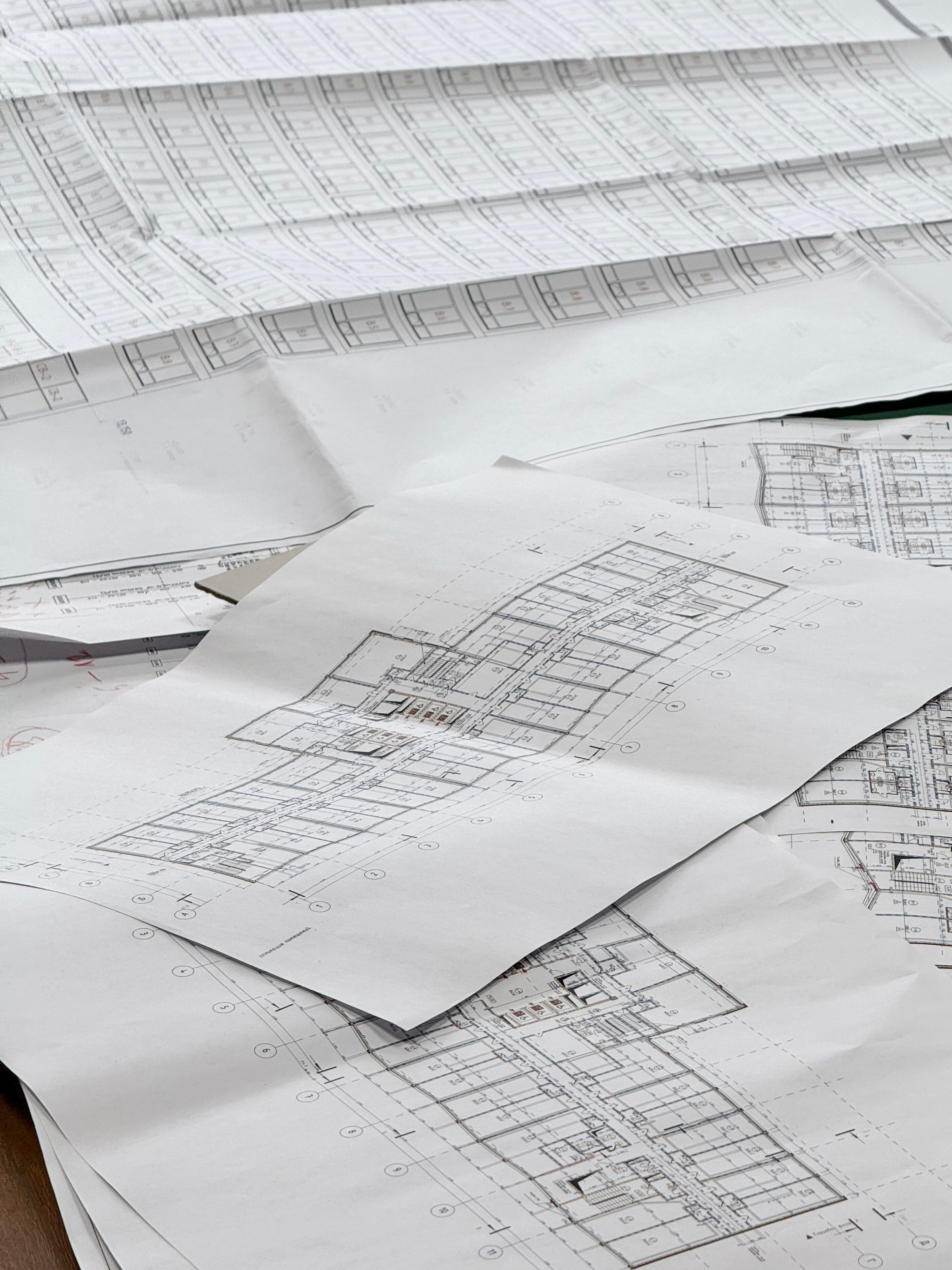
Architects often present with tools other professions do not use: physical models, large drawings, material samples, and sketches done live. Coaching addresses how to handle them gracefully, including where to stand, when to hand an object around, and how to avoid blocking the audience's view. Done well, these tangible elements create memorable moments, and coaching helps ensure they support the story instead of interrupting it.
Preparing Principals and Project Designers Differently
A principal usually needs to project vision and authority in a few minutes, while the project designer must explain decisions in more depth. Coaching tailors preparation to each role, with the principal rehearsing a tight opening and close, and the designer practicing clear explanation of key moves. Aligning the two ensures the audience hears a consistent message from both voices.
The Bottom Line
Presentation coaching gives architects focused, personal attention on the habits that matter most. With diagnosis, a clearer story, better delivery, and rehearsal under realistic pressure, individual leaders become more persuasive in the rooms where commissions are decided.