One-on-One Presentation Coaching for Architects Before a Big Interview

When a firm is shortlisted for a signature project, the interview can decide years of work. Group training helps with fundamentals, but the final weeks before an interview call for something more focused. Presentation coaching works with the specific team, the specific project, and the specific panel to sharpen what will be said and how.
Coaching Starts With the Pursuit
A coach begins by reviewing the request for proposals, the written submission, and what is known about the selection panel. The goal is to identify what the owner values most and where the team has the strongest proof. Coaching then shapes the interview to lead with those strengths. This is more effective than polishing a generic firm presentation.
Sharpening the Message
Architects often hold too many ideas at once. A coach helps a team decide on three or four key messages and trims everything else. Each message needs a clear statement, a supporting example, and a link to the owner's goals. Reducing the scope of the talk makes it easier to remember and easier to deliver well.
Rehearsals With Honest Feedback
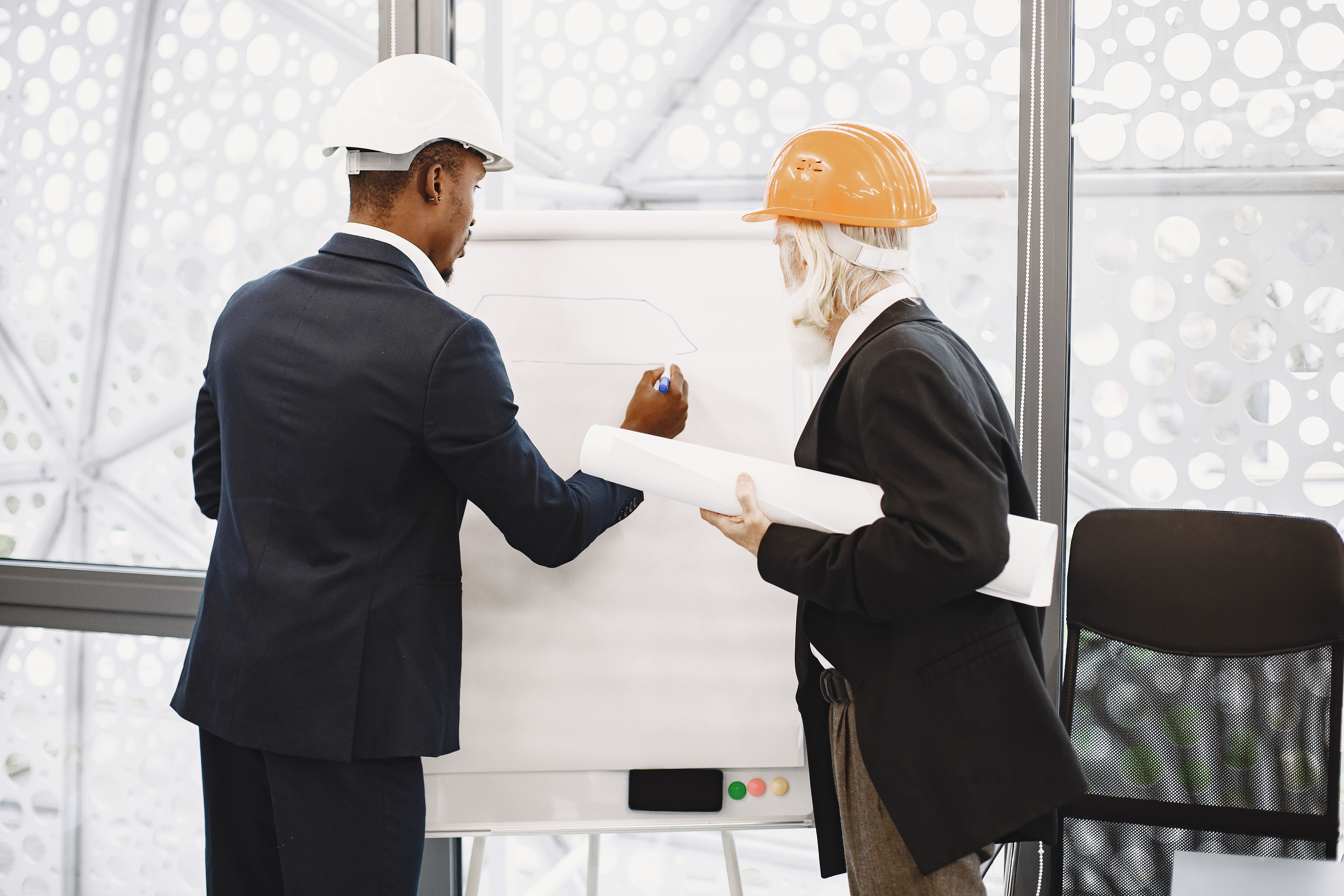
Early in a coaching engagement, the team runs through the presentation and receives direct notes. Coaches watch for pacing, filler words, unclear visuals, and moments where energy drops. Later rehearsals add time limits and mock panels. The feedback is specific, such as moving a drawing earlier or cutting a sentence that repeats a point, and it adds up quickly.
Working With Each Presenter
Principals, project architects, and designers each have different strengths. A coach adapts to each person. Someone who rushes learns to pause. Someone who reads notes learns to use a few cue words instead. A natural storyteller is guided to stay on schedule. Respecting individual style produces presenters who sound like themselves at their best.
Handling Questions and Surprises
A panel may interrupt, change the agenda, or ask about topics the team did not expect. Coaches run drills that include these situations, so the first time the team faces one is not in the actual interview. Practicing concise answers and bridging back to key messages helps presenters stay composed.
Preparing for the Room
Logistics matter. Coaching can cover room setup, technology checks, backup plans, and what to do when the format is virtual. Small details, like where each person stands and how the team enters, shape first impressions.
Coaching the Closing
The last two minutes of an interview are often the most remembered. Many architecture teams spend them on a generic thank you. A coach helps craft a closing that restates the main ideas, connects them to the owner's goals, and leaves the panel with a clear reason to choose the team. Rehearsing the closing separately ensures it lands with confidence even when time is short.
Coaching for Virtual Interviews
Virtual panels require adjustments to energy, eye contact, and visual pacing. Coaches review camera setup, background, and screen sharing flow. They also coach the team on how to support each other when only one person is on screen, so the interview still feels like a collaboration.
Choosing a Coach
Look for a coach who has worked with design firms and understands how selection panels score interviews. Ask for examples of past engagements and talk to firms that have used the service. A coach who gives direct, specific feedback and respects the firm's design voice is more useful than one who applies a fixed formula. Start early enough that the team has time to revise, since last-minute coaching can only fix so much.
The Bottom Line
Presentation coaching gives an architecture team a structured, tailored way to prepare for interviews where the stakes are high. It focuses on message, delivery, and teamwork, using the actual project as the training material. For firms that regularly compete for major commissions, a few coached rehearsals are often the most efficient preparation available.